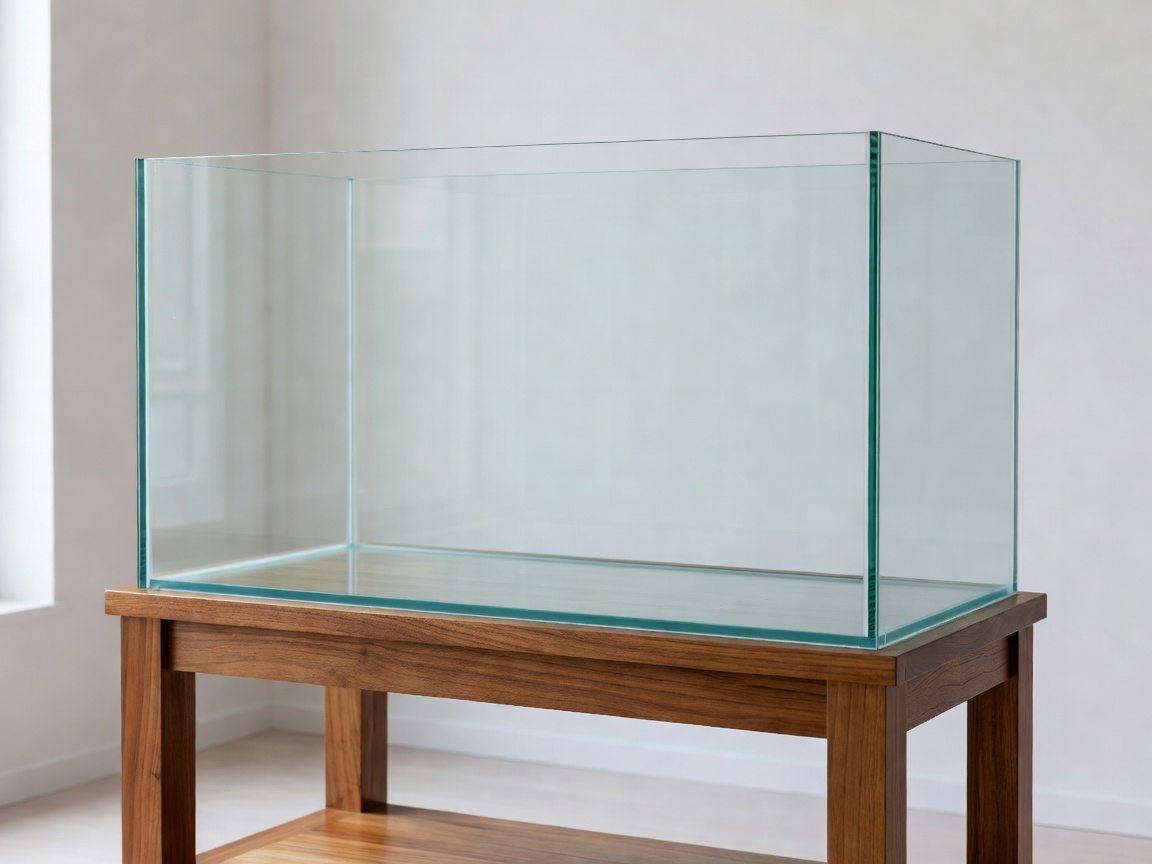
Choosing the Right Tank
Counterintuitively, larger aquariums are generally easier for beginners to maintain than smaller ones. A larger volume of water dilutes toxins like ammonia more effectively and is less prone to sudden temperature swings. A 20-gallon (approx. 75 liters) "long" tank is widely considered an ideal starting point, as it provides ample swimming space and a forgiving water volume while remaining manageable in a home setting.
Placement and Preparation
Water is extremely heavy—a filled aquarium weighs approximately 10 pounds per gallon. The tank must be placed on a specifically designed, level stand capable of supporting this weight. The location should be away from direct sunlight to prevent uncontrollable algae growth, and away from radiators or air conditioning vents to maintain stable temperatures.
Building the Environment
Before adding water, the substrate (gravel or sand) must be thoroughly rinsed to remove dust. A depth of 1.5 to 2 inches is generally sufficient. Following the substrate, hardscape items such as boiled driftwood or inert rocks can be arranged to create natural hiding spots. When introducing live plants, ensure the roots remain moist during the process.
Filling and Hardware
To avoid disturbing the substrate when filling, place a small plate on the bottom of the tank and pour the water gently onto it. Once filled, install the mechanical filter and the heater, ensuring they are positioned in areas of good water flow. The tank water must be treated with a dechlorinator immediately to neutralize harmful tap water chemicals.
Next Step: Before any fish can be added, the tank must undergo the cycling process.
Learn About Aquarium Cycling →