Home Aquarium & Freshwater Fish Guide
A practical guide to creating a healthy freshwater aquarium, understanding everyday fish care and building simple routines that make aquarium keeping easier.
Aquarium Basics
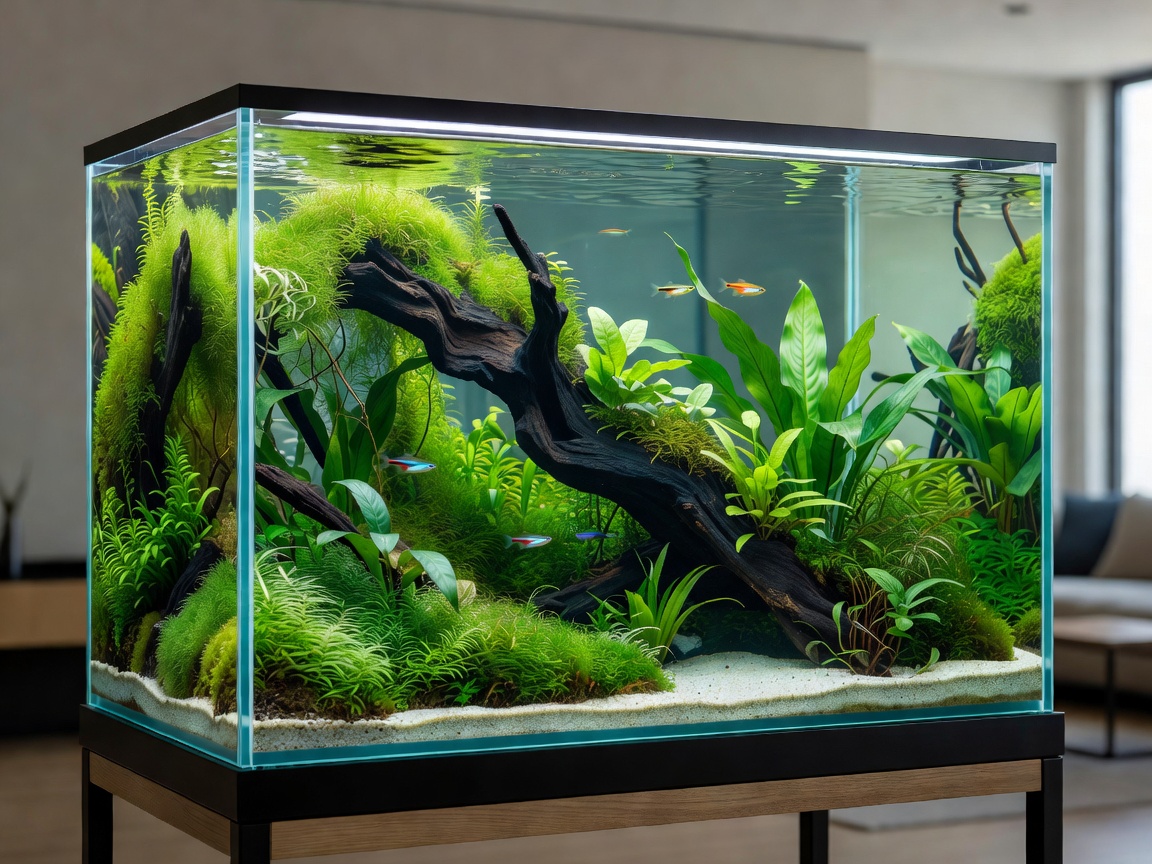
Setting up a freshwater aquarium requires patience and careful planning before any fish are introduced. The foundation of a healthy aquatic environment begins with choosing an appropriately sized tank and finding a stable, level location away from direct sunlight and drafts. Once the tank is placed, the structural elements come into play: washing and adding the substrate, arranging hardscape like rocks and driftwood, and carefully planting aquatic vegetation.
Equally important is installing the mechanical life support systems. Filtration provides water movement and houses beneficial bacteria, while a heater ensures stable temperatures for tropical species. Lighting dictates plant growth and fish activity. Understanding how these elements interact to establish a balanced ecosystem is the crucial first step for any beginner aquarist.
Read Aquarium Basics →Freshwater Fish Profiles
Understanding the specific needs, behaviors, and social requirements of individual species is vital for a peaceful community tank.
Guppy
Guppies are remarkably resilient livebearing fish, making them a common choice for beginners. They adapt well to a wide range of water parameters, though they prefer slightly hard, alkaline water. Male guppies display vibrant, flowing tails, while females are generally larger and more muted in color. Because they breed rapidly, aquarists must plan for population control or keep single-sex groups to maintain a stable tank environment.
Platy
Platies are active, peaceful livebearers that bring bright pops of orange, red, and blue to an aquarium. They are highly social and do best in groups, spending their days exploring the tank and grazing on small amounts of algae. They are generally unbothersome to other species, making them excellent community tank members provided they are kept in stable water conditions with plenty of swimming space.
Neon Tetra
Famous for their striking iridescent blue and red stripes, Neon Tetras are iconic schooling fish. They require a group of at least six to feel secure and display their natural, synchronized swimming behaviors. In the wild, they inhabit dimly lit, soft-water environments with plenty of vegetation. Providing them with a heavily planted tank and shaded areas is essential to minimize stress and prevent disease in the home aquarium.
Zebra Danio
Zebra Danios are incredibly active, surface-dwelling fish characterized by their horizontal stripes. They are known for their hardiness and ability to tolerate slightly cooler water temperatures than many tropical fish. Because of their high energy levels, they require a tank with a longer footprint to allow for uninterrupted swimming. They are peaceful but their constant darting can occasionally stress more timid or slow-moving tank mates.
Corydoras
Corydoras, commonly known as Cory catfish, are peaceful bottom-dwelling fish that bring movement to the lower levels of a tank. They are highly social and must be kept in groups. Because they spend their time foraging along the bottom, it is crucial to use a soft sand substrate to protect their delicate barbels (whiskers) from abrasion. They require their own dedicated diet of sinking foods rather than just scavenging leftovers.
Betta
Betta fish are stunning, labyrinth-organ breathers capable of taking oxygen directly from the surface. While they are hardy, they have specific needs: warm water, low flow filtration, and plenty of resting places near the surface. Crucially, male Bettas are highly territorial and cannot be housed together. Furthermore, they are not universally compatible with community fish; tank mates must be chosen with extreme caution to avoid fin-nipping or aggression.
Water Quality & Stability
Clear water does not automatically mean safe water. The foundation of fishkeeping is actually water keeping. Understanding the invisible chemical makeup of your aquarium is vital for the long-term health of aquatic life.
A healthy aquarium relies on the Nitrogen Cycle, a biological process where beneficial bacteria convert highly toxic ammonia (produced by fish waste and decaying food) into nitrite, and finally into less harmful nitrate. Regular testing is required to monitor these levels, along with pH and temperature. Because tap water contains harmful chlorine or chloramine, all new water must be treated with a dechlorinator. Maintaining stable parameters through routine partial water changes is far more important than trying to chase a specific "perfect" pH number, as sudden environmental fluctuations are highly stressful to fish.
Learn About Water Quality →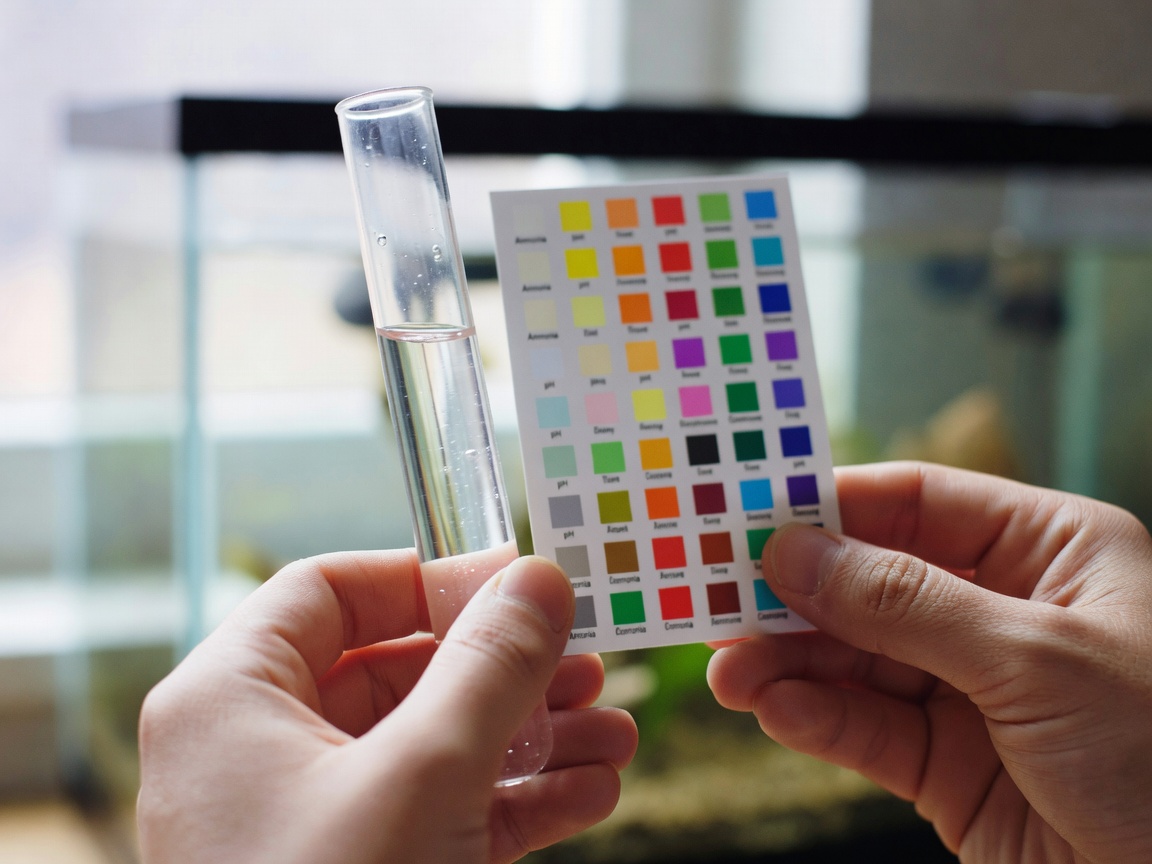
Aquarium Plants
Live plants improve water quality, provide natural shelter, and create a more authentic environment for your fish.
Java Fern
Java Fern is an incredibly forgiving plant characterized by its broad, textured green leaves. It is an epiphyte, meaning it grows from a thick green stem called a rhizome. It is crucial for beginners to know that the rhizome must not be buried in substrate, or the plant will rot. Instead, it should be tied or glued to rocks or driftwood. It thrives in low lighting and requires minimal maintenance.
Anubias
Anubias species feature dark green, leathery leaves that are tough enough to withstand nibbling from most fish. Like Java Fern, it grows from a rhizome and must be attached to hardscape rather than buried in gravel or sand. It is a slow-growing plant that does well in low to moderate light. Because of its slow growth, it can occasionally attract spot algae on its leaves if placed under direct, intense light.
Amazon Sword
The Amazon Sword is a classic background plant that produces large, broad, light-green leaves. Unlike epiphytes, it is a heavy root feeder and must be planted deep into a nutrient-rich substrate. If keeping them in plain sand or gravel, root tab fertilizers are necessary for their survival. They can grow quite large and are best suited for medium to large aquariums with moderate lighting to support their nutrient intake.
Java Moss
Java Moss is a dense, stringy moss that provides excellent hiding spaces for small fish, fry, and shrimp. It has no true roots and will anchor itself to almost any surface, including wood, rocks, and even aquarium decorations. It is highly adaptable, tolerating a wide range of water parameters and low lighting conditions. It requires occasional trimming to prevent it from overgrowing and choking out other plants.
Cryptocoryne
Cryptocoryne, or "Crypts," offer beautiful variations in leaf shape, color, and texture, often exhibiting bronze or brown hues alongside green. They are rooted plants that benefit from a nutrient-rich substrate. Beginners should be aware of "Crypt melt," a phenomenon where the plant sheds its leaves when introduced to a new environment or sudden water changes. The root system usually remains alive, and new leaves will eventually grow adapted to the new tank conditions.
Feeding Routines
Proper nutrition is essential, but overfeeding is one of the most common causes of aquarium failure. Excess food rots, causing rapid ammonia spikes that can be fatal to fish. Feeding should be restricted to what fish can consume entirely within two minutes, usually offered once or twice a day.
It is important to understand that nutritional requirements vary by species. Surface dwellers require floating flakes, mid-water fish need slow-sinking granules, and bottom dwellers rely on sinking wafers. Providing a varied diet, observing feeding behaviors, and promptly removing uneaten food are critical habits to develop.
Read Feeding Guide →Aquarium Maintenance
A healthy tank relies on consistent, manageable maintenance rather than exhausting deep cleans. A practical routine prevents the buildup of toxins and keeps the environment stable. Daily checks involve observing fish health, ensuring equipment is running, and checking temperature.
Weekly tasks generally include wiping down the inside glass, testing water parameters, and performing partial water changes (typically 10-25%) while using a gravel vacuum to remove waste from the substrate. Filter media should be gently rinsed in old tank water—never tap water—during monthly checks to preserve beneficial bacteria.
View Maintenance Guide →Aquarium Equipment
Reliable equipment forms the life support system of your aquarium. Filters process waste chemically and mechanically, heaters maintain the tropical temperatures required by many species, and proper lighting supports plant respiration and regulates fish circadian rhythms. Essential tools also include accurate liquid water testing kits for monitoring the nitrogen cycle, glass thermometers for verifying heater function, and a gravel siphon for conducting safe water changes. Understanding the purpose of each component is vital before introducing livestock.
Understand Aquarium Equipment →Common Beginner Mistakes
Awareness of these frequent pitfalls can prevent frustration and protect the health of your fish.
Skipping the Cycling Process
Adding fish to a brand new aquarium before the nitrogen cycle has established beneficial bacteria is a critical error. Without these bacteria, toxic ammonia from fish waste builds up rapidly, leading to illness or death. The cycling process must be completed and verified with water tests before livestock is introduced.
Overfeeding
Beginners often equate food with affection and feed too heavily. Fish stomachs are very small. Uneaten food decays quickly in the warm water, ruining water quality, causing algae blooms, and spiking ammonia levels. It is far safer to underfeed slightly than to overfeed.
Incompatible Tank Mates
Purchasing fish based solely on appearance without researching their behavior, adult size, or water parameter requirements leads to disaster. Combining aggressive species with timid ones, or mixing fish that require vastly different temperatures or pH levels, causes chronic stress and aggression in the tank.
Essential Quick Guides
How to Cycle an Aquarium
A step-by-step explanation of the nitrogen cycle, how to dose ammonia safely without fish, and how to read test kits to know when the biological filter is fully established and ready for livestock.
Read Guide →How to Perform a Water Change
Practical instructions on using a gravel vacuum to remove detritus, preparing new tap water with a dechlorinator, matching temperatures, and safely refilling the tank to minimize stress.
Read Guide →How to Choose Beginner Fish
Guidance on selecting hardy species, understanding bioload limits for your tank size, recognizing schooling requirements, and planning a peaceful community environment.
Read Guide →How to Care for Aquarium Plants
Basic advice on planting techniques for stem plants versus epiphytes, understanding lighting durations, and recognizing signs of nutrient deficiencies in aquatic vegetation.
Read Guide →